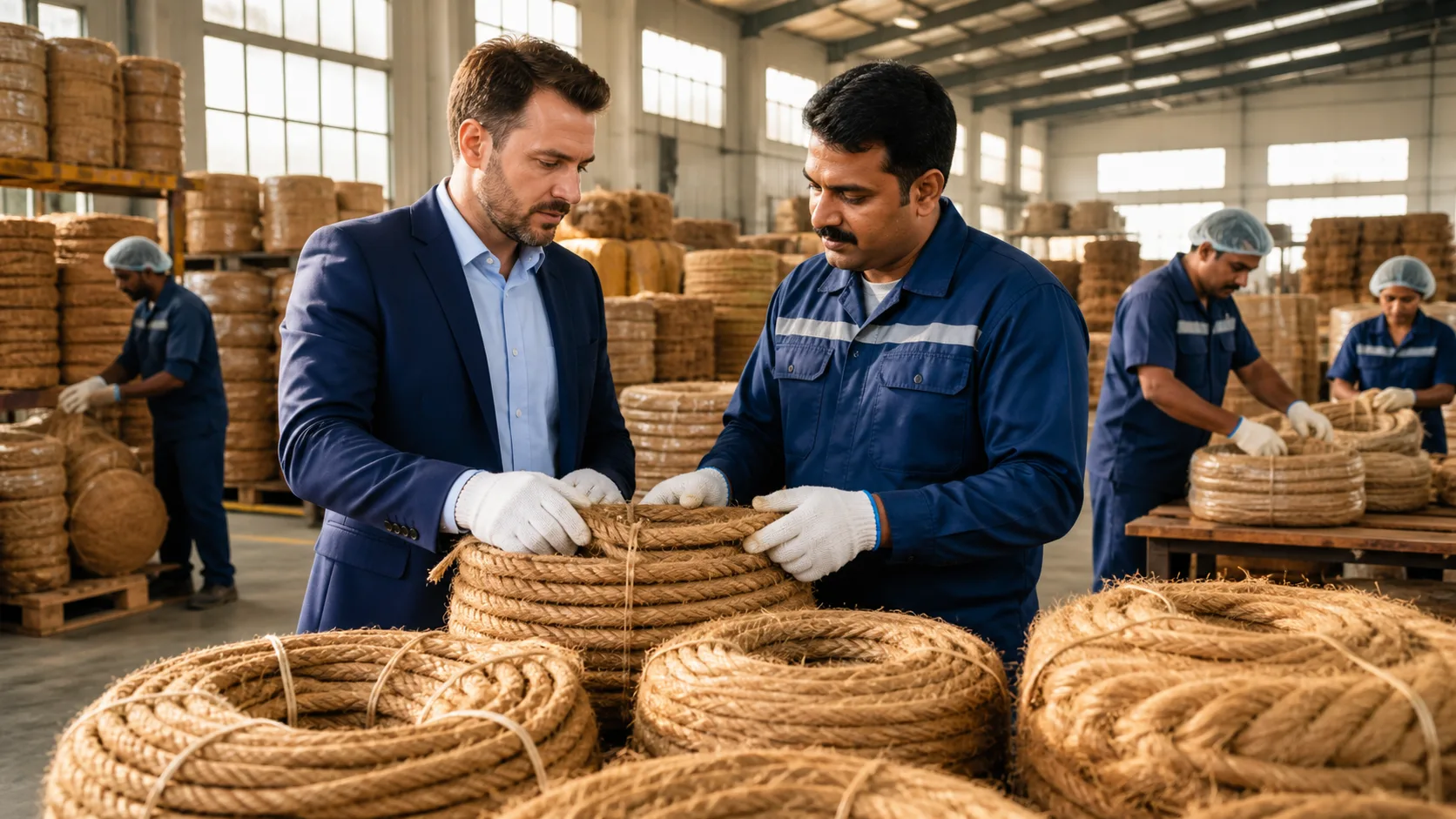
Coconut rope looks simple, but for many industrial teams it can solve real, daily problems. When production is tight, ports are busy, and ESG targets are getting stricter, the right rope choice can keep work moving, keep audits calm, and keep costs under control. This is where good coconut rope wholesale suppliers can make a clear difference.
We will look at how coconut rope performs in hard conditions, what to look for in a supplier, and how smarter specs cut waste. We will also talk about how to turn a seasonal stress point into a steady, year-round sourcing plan that supports your teams on the ground.
Turning Coconut Rope Into Real Industrial Solutions
Coconut rope has been used for generations, but it has grown into a serious industrial input. Today it is not just a farm or village product. It supports agriculture, marine work, light construction, packaging, and even biomass logistics. It offers natural strength, grip, and flexibility that many teams still need, even in a very high-tech world.
Procurement teams are under strong pressure now. They must keep costs down, hit ESG and sustainability goals, and still secure steady supply while year-end production and Q4 shipping traffic make everything harder. One delay can throw off a whole export plan.
Trusted coconut rope wholesale suppliers step in as partners, not just sellers. When they do it well, they help solve real problems like:
- Rope failure in harsh weather
- Sudden stock-outs during peak season
- Confusing specs that raise safety risk
- Pressure from ESG and plastic reduction goals
Done right, coconut rope becomes a simple, dependable part of a much bigger solution.
How Coconut Rope Performs Under Real-World Industrial Stress
Quality coconut rope is all about how it behaves when work gets tough. Key traits matter more than fancy labels:
- Tensile strength to hold heavy loads without snapping
- Resistance to saltwater and UV, even with long outdoor use
- Flexibility under load so it grips instead of cutting or slipping
- Long service life in wet, hot, or dirty conditions
These traits show up in different ways across industries.
In agriculture, coconut rope is used for trellising, staking, bundling, and erosion control. It has to handle:
- Heavy rains and tropical storms
- Repeated wet and dry cycles
- Contact with soil, mulch, and organic matter
For marine and logistics work, the rope faces constant salt, spray, and friction. Uses include:
- Mooring smaller boats and barges
- Lashing cargo on trucks and trailers
- Tying down pallets inside containers
In construction and landscaping, coconut rope can help with provisional work where natural materials are preferred. Teams use it for:
- Lashing simple scaffolding or support poles
- Tying temporary formwork or barriers
- Stabilizing slopes with natural fiber nets and anchors
When coconut rope wholesale suppliers offer clear, standard specs like diameter, ply count, breaking strength, and coil length, it becomes much easier for engineers, agronomists, and operations managers to do safe load planning. Clear data lowers risk during audits and keeps field teams from guessing on the job.
Choosing Coconut Rope Wholesale Suppliers That Solve Problems, Not Create Them
Not all suppliers help you stay calm during a busy season. The wrong one can bring late shipments, unclear paperwork, or inconsistent quality that causes stoppages and rework.
Good coconut rope wholesale suppliers usually share a few traits:
- Stable access to coconut raw materials
- Modern processing and consistent fiber prep
- Clear quality checks and process controls
- Third-party testing data on strength and durability
Export strength also matters a lot, especially around Q4 when ports are crowded and space is tight. Helpful suppliers understand:
- How to load containers to protect coils and save space
- Required fumigation or phytosanitary paperwork
- Current rules for US and EU import compliance
- How to plan shipping dates around known congestion periods
Service is often the real pain point. Buyers tend to value:
- Fast, clear replies to technical and logistics questions
- Honest lead times and early warning if anything shifts
- Safety stock options for regular programs
- Private label or neutral branding for distributors
- Flexible MOQs that work for both big plants and regional resellers
When service is done well, the rope becomes something you do not have to worry about. It just arrives, matches spec, and works.
Cutting Costs and Waste with Smarter Rope Specification
One quiet way to cut waste is to fine-tune the rope spec. Many teams over-specify because they want to be safe, but that can push up material use and throw off ESG numbers.
Working with knowledgeable coconut rope wholesale suppliers can help you choose the right:
- Diameter for the planned load
- Ply and construction style for the level of wear
- Coil length for your typical task or process step
Natural, biodegradable coconut rope can also lower disposal headaches. Compared with synthetic rope, it reduces plastic waste and microplastic pollution. This supports internal KPIs that point toward ESG targets and planned sustainability milestones in the coming years.
Packaging is another simple way to cut waste and confusion. Tailored formats may include:
- Palletized coils that match your handling equipment
- Shrink-wrapped bundles to prevent tangle and dirt
- Color-coded labels by size so teams grab the right rope fast
During year-end surges, when shifts are long and crews are tired, clear packaging can reduce mix-ups, rework, and material shrinkage across busy factory or warehouse floors.
From Seasonal Peaks to Year-Round Stability with CP Farmers
Demand for rope does not stay flat. Agriculture often spikes around planting and harvest. Marine and logistics use can grow sharply as export volumes climb near the end of the year. Without planning, these peaks can turn into stockouts and rush fees.
Based in Thailand, CP FARMERS works in a coconut-growing region, which helps support steady access to raw materials. By tying coconut rope to a wider line of coconut derivatives and biomass products, we can smooth some of the ups and downs that come with seasonal demand and raw material flow.
For buyers, practical tools for stability can include:
- Forward contracts linked to forecasted use
- Production schedules built around your busy seasons
- Safety inventory for repeat programs
- Space in planning for new product trials or shifts in spec
Long-term partnerships allow for multi-year thinking. Teams can talk about:
- Frameworks for predictable planning
- Adjustments in rope spec as gear or crops change
- Integrated sourcing of rope and other coconut-based inputs
When rope is part of a bigger, stable supply plan, procurement and operations teams can focus less on chasing urgent shipments and more on improving how their plants, fields, and yards actually run.
Get Started With Your Project Today
If you are looking for reliable coconut rope wholesale suppliers, we are ready to support your next order with consistent quality and dependable lead times. At CP FARMERS, we work closely with you to match the right specifications, quantities, and packaging for your needs. Share your project details and we will provide clear pricing, timelines, and logistics options. If you have specific questions or need a custom quote, simply contact us and our team will respond promptly.