
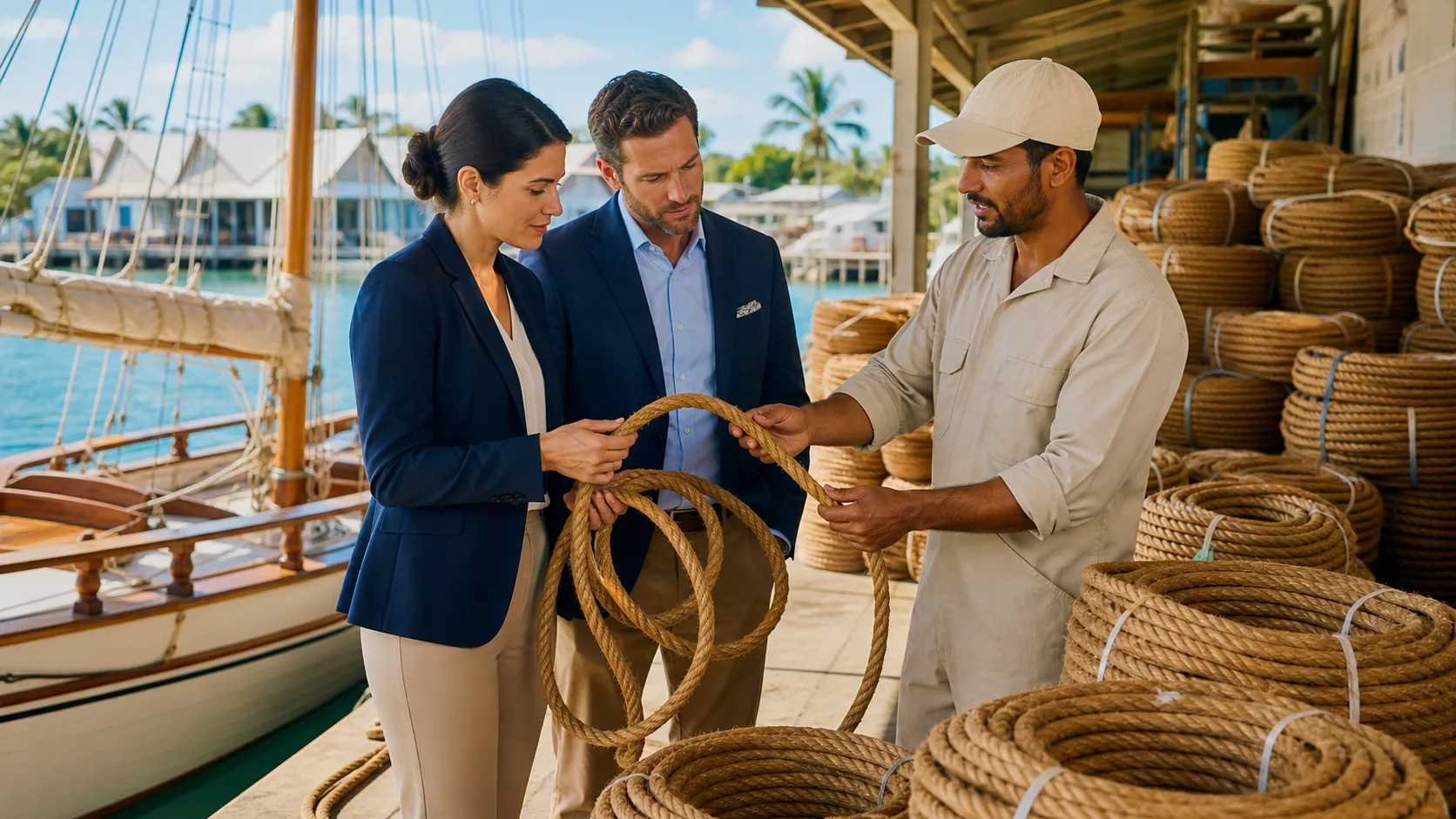
Marine businesses are under more pressure to clean up their act, on the water and on the dock. Ports and coastal communities are paying more attention to plastics, waste, and what ends up in the sea, so even simple choices like dock lines and barrier ropes start to matter. Coconut rope, also called coir rope, gives marinas, boatyards, aquaculture farms, and resorts a natural option that still works hard in tough saltwater conditions.
In this article, we unpack why natural ropes are coming back, how coconut rope behaves around boats and piers, and what sets truly marine-grade rope apart from cheaper options. We will also look at how to judge coconut rope wholesale suppliers so your team can plan year-end maintenance and next-season needs with less stress.
Why Marine Businesses Rely on Coconut Rope Today
More ports and coastal areas are paying attention to microplastics, rope waste, and how gear breaks down in the sea. That is pushing many operators to rethink long stretches of synthetic rope on docks, posts, and nets. When guests walk a boardwalk or staff work on a pier all day, natural fiber lines also send a different message about care for the coastline.
Coconut rope fits neatly into this shift. It is:
- Made from a renewable agricultural byproduct
- Biodegradable under the right conditions
- Tough enough to handle spray, salt, and sun
For marinas, docks, and resorts, coconut rope balances function with a more natural look. Thick coir ropes along a boardwalk or on a quay rail feel right at home by the sea. At the same time, safety and cost still matter. That is why choosing the right coconut rope wholesale suppliers is so important, especially when teams are planning year-end repairs, storm prep, and pre-peak-season upgrades.
Core Marine Uses That Demand Reliable Coconut Rope
On the water and around it, coconut rope has plenty of jobs. Some of the most common marine uses include:
- Mooring small boats and tenders for short-term tie-ups
- Securing fenders along docks and wharf edges
- Decorative dock lines and rail ropes for walkways and marinas
- Barrier ropes for coastal resorts, pools, and beach access points
- Support for nets and frames in aquaculture setups
- Temporary bundling and lashing of gear on piers and slipways
Coir rope earns its place by how it behaves when wet. It grips well in the hand, even in sea spray or rain. It handles abrasion from wood, concrete, and hulls surprisingly well, and it is known for its tolerance of saltwater exposure and general rot resistance compared with some other natural fibers.
Seasonal timing also plays a big role. Many operators:
- Replace tired lines before the stormy months begin
- Refresh resort and marina ropes before tourist peaks after the New Year
- Lock in annual rope contracts during the last quarter so supply is ready for maintenance windows
Matching your rope procurement calendar to your busiest and roughest seasons can reduce last-minute scrambles and safety concerns.
What Sets Premium Coconut Rope Apart From the Rest
Not all coir rope is built for harsh marine duty. Several technical factors shape quality:
- Fiber grade: Brown coir is stronger and more abrasive, white coir is finer and softer. For most marine uses, brown coir is common.
- Twist and ply count: More plies and tighter twist can mean higher strength and better shape retention.
- Tensile strength and elongation: Marine lines need predictable breaking strength and controlled stretch, so they react well under load.
- Uniform diameter: Even thickness helps with consistent grip, knot performance, and load sharing.
Finishing and treatment also matter a lot near the sea. Marine buyers often:
- Choose oiled or waxed finishes for better handling and water shedding
- Use UV and mildew resistance treatments
- Specify controlled moisture content so rope does not shrink or swell too much
- Request consistent color for visible runs along docks, pool edges, or resort paths
Reliable suppliers should be ready to share test data. Strength tests, load ratings, and any compliance with recognized standards help during safety checks and insurance reviews. Clear numbers on how the rope behaves make it easier for your team to set internal rules for safe working loads and replacement intervals.
How to Evaluate Coconut Rope Wholesale Suppliers
Some suppliers can handle basic agriculture or packaging rope but may not be ready for marine-grade work. Salt, sun, and constant movement are unforgiving, so the rope and the people behind it need to be dependable.
Helpful supplier traits to look for include:
- Traceable sourcing of coconuts and fibers
- In-house or closely audited manufacturing instead of loosely controlled subcontracting
- Batch-level quality control and record keeping
- Access to lab testing for strength and durability under wet, salty conditions
Operational strength matters too. For marine businesses, good coconut rope wholesale suppliers should show:
- Ability to keep the same specifications over long-term contracts
- Capacity to scale volumes for larger marinas, resort chains, or industrial users
- Custom packaging, such as coils, hanks, spools, or palletized loads that match your handling gear
- Reliable export logistics from Asia to major ports, with realistic lead times and clear paperwork
Comparing Costs, Lead Times, and Logistics Risks
The cheapest rope on paper can end up costing more if it fails early or forces mid-season replacements. For marine ropes, it is helpful to think in terms of total cost of ownership: how long the rope lasts in harsh saltwater, how often staff must change it out, and how much disruption that creates in busy weeks.
When comparing offers from coconut rope wholesale suppliers, marine buyers often review:
- Minimum order quantities and how they fit storage space
- Tiered pricing for bigger volumes or longer contracts
- Seasonal shifts in lead time near year-end holidays
- Reliability of shipping routes and port handling during peak export periods
Risk planning is part of the job on the waterfront. Some operators:
- Use dual sourcing for key rope sizes
- Keep buffer stock ahead of storm season or tourist peaks
- Sync deliveries with dry-dock or scheduled maintenance periods
- Work with exporters who know customs routines and common document needs for their ports
In Thailand and across the region, coconut-based products flow regularly through major shipping lanes, so experienced exporters can help ease some of these timing risks.
Building a Long-Term Rope Supply Partnership
For many marine businesses, moving from spot buying to long-term partnership brings calmer waters. Stable quality, steady specs, and predictable lead times often matter more than chasing the lowest short-term quote. It also helps your team standardize line sizes and replacement plans across marinas, piers, and farms.
Practical steps to start that kind of relationship include:
- Placing trial orders for key diameters and constructions
- Requesting sample test reports on strength and durability
- Defining clear technical specs and inspection rules from day one
- Setting performance benchmarks for the first contract term, then reviewing them together
As a Thailand-based exporter focused on coconut derivatives and biomass fuels, we work with bulk buyers who need consistent, export-ready coconut materials for food, agricultural, and industrial uses. The same focus on sustainable sourcing, strict quality control, and dependable logistics that supports those sectors also supports marine buyers who rely on coconut rope for their docks, boats, and coastal facilities.
Get Started With Your Project Today
If you are ready to secure consistent quality and supply for your next order, we are here to help at CP FARMERS. As trusted coconut rope wholesale suppliers, we work closely with you to match the right rope specifications to your production or construction needs. Share your project details and volume requirements so we can provide a tailored quote and realistic lead times. If you have questions or need quick guidance before placing an order, just contact us and our team will respond promptly.