Global green building rules are pushing everyone to think harder about what goes into walls, roofs, and soil. When you are trying to meet standards like LEED, WELL, and ESG targets, every material choice matters, right down to the fibres inside an acoustic panel or the substrate under a green roof.
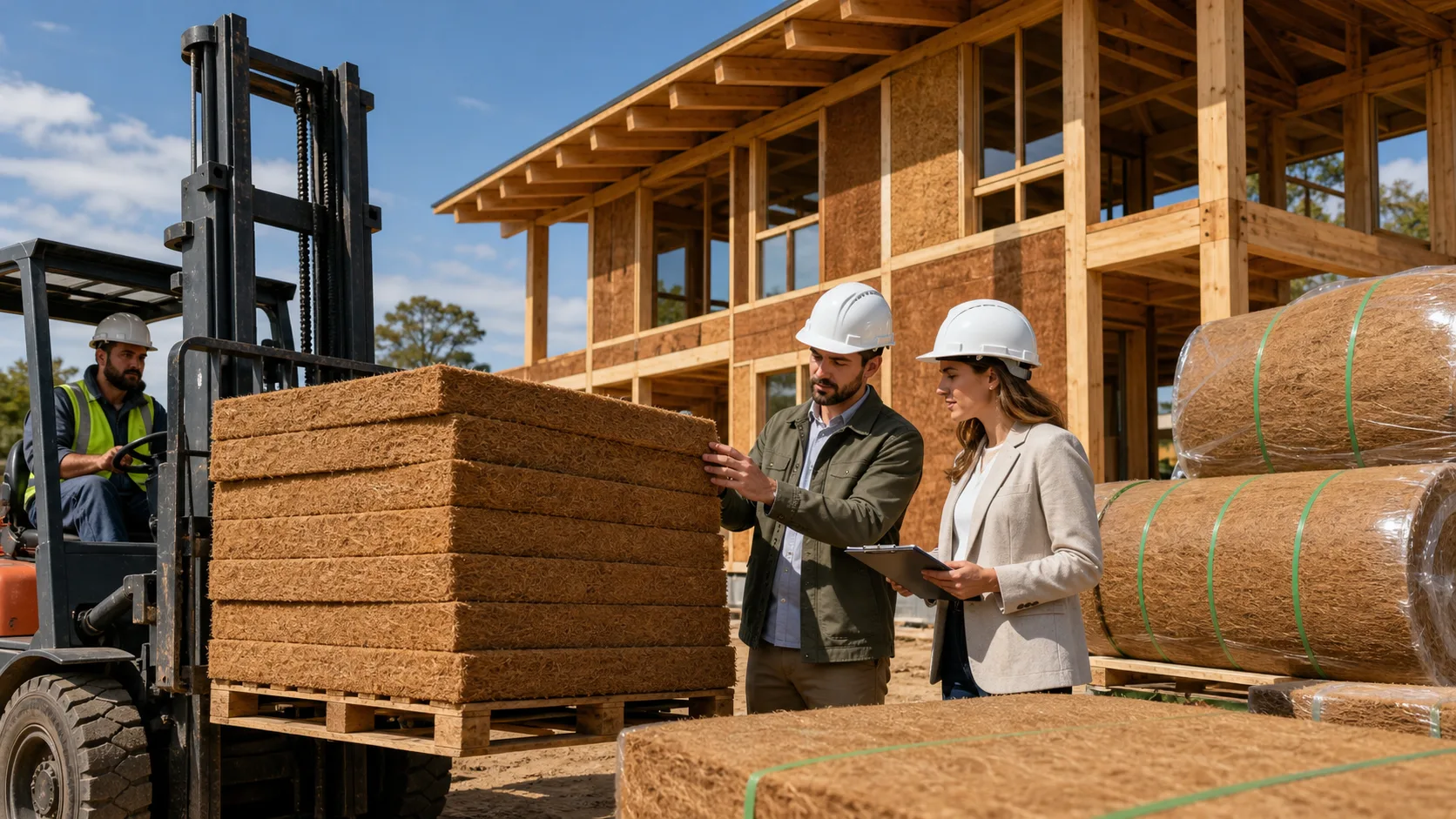
Coconut coir is quickly moving from a niche material to a serious option for large projects. It supports acoustic insulation, green roofs, erosion control blankets, composite panels, and horticulture mixes for biophilic spaces. As demand grows, choosing the right bulk coconut coir supplier is becoming a strategic move for developers, contractors, and specifiers who need consistent quality, clear documentation, and long-term supply.
Green Building Boom Fuels Demand for Coconut Coir
Green construction is no longer a side trend. Large projects are being designed around low-carbon, natural materials from the start. Project teams want products that help with:
- Lower embodied carbon
- Better indoor air and comfort
- Visible connections to nature in daily spaces
Coconut coir fits well here. It is a renewable byproduct from the coconut industry, with fibres and pith that can work in:
- Acoustic insulation pads and panels
- Green roofs and living wall systems
- Erosion control mats on slopes and canals
- Composite boards and light panels
- Growing media in planters for biophilic design
As more buildings are designed with nature-centred features, the choice of bulk coconut coir supplier becomes a long-term strategy, not a last-minute purchase. Teams need the right formats and grades, but they also need proof that the material supply will stay steady across many projects.
Why Coconut Coir Fits Next-Gen Sustainable Design
Coconut coir brings a mix of performance traits that support comfort and efficiency inside and around buildings. When processed correctly, coir fibres can offer:
- Durability and resilience under load
- Moisture resistance with good drying behavior
- Breathability that helps reduce trapped humidity
- Thermal and acoustic support for more stable indoor conditions
Compared with many synthetic materials and peat-based products, coir is part of a renewable cycle. It helps use parts of the coconut that might otherwise be wasted. It can also be produced in formats that are biodegradable or easier to handle at end-of-life.
Coir also fits several current construction trends, such as:
- Modular and prefab systems that need light, stable panels
- Pre-assembled green roof trays ready to lift into place
- Climate-resilient landscapes that manage stormwater and extreme heat
Used in erosion blankets, planting beds, or green roof media, coir supports water retention and drainage in a more natural way, which matters as weather patterns keep shifting.
How to Evaluate a Bulk Coconut Coir Supplier
Not all coir is the same, and not all suppliers are ready for the needs of large green building programs. A careful review can save a lot of trouble later.
Key sourcing questions include:
- Where are the coconuts grown, and how traceable is the supply?
- What farming practices are used, and can the supplier describe them clearly?
- Is there documentation about environmental care and fair labor conditions?
Quality control is another big area to study. For construction, you want consistent product, not surprises from one shipment to the next. Pay attention to:
- Fibre length and uniformity
- Moisture content and salt levels
- Cleanliness, washing, and any sterilization steps
- Ability to adjust grades for panels, erosion blankets, or growing substrates
Beyond the product itself, operations matter. Green building schedules are tight. Developers and contractors often need:
- Predictable lead times and clear production capacity
- Packaging that balances protection with lower waste
- Support for multi-site and multi-country rollouts
A good bulk coconut coir supplier should be used to export requirements and ready to talk about logistics, not just raw material specs.
Key Certifications and Specs Green Builders Should Demand
For coir to fit into formal green building and ESG programs, paperwork and performance data need to match what design teams promise on drawings and reports.
Useful items to look for include:
- Relevant ISO or similar management standards
- Agriculture or sustainability credentials where available
- Social compliance checks or audits of labor practices
Technical details matter just as much. Architects and engineers usually want clear information on:
- Density and compression strength for panels or mats
- Thermal and acoustic performance ratings where tested
- Water retention and drainage characteristics for substrates
- Compatibility with binders and composites used in factory settings
Solid documentation helps project teams connect coir-based products to LEED points, internal sustainability goals, and local rules in each export market. Without that paperwork, it is harder to justify coir in long-term building portfolios.
Seasonal Planning and Logistics for Upcoming Projects
Planning a reliable coir supply means thinking ahead by at least one full building-cycle. Big projects need time for:
- Material sampling and lab testing
- Design and specification updates
- Approvals from owners and regulators
- Tendering and final procurement
Harvest cycles, regional weather, and global shipping lanes can all affect how and when coir moves from farm to factory. Smart buyers often reduce risk by:
- Securing more than one coir format, such as bales, blocks, or pellets
- Allowing flexible delivery windows across seasons
- Working with suppliers who understand moisture control and packaging integrity in tropical climates
For buyers sourcing from Asia, an exporter that is strong in logistics and export handling can make the difference between a smooth project and a site delay. Moisture content, container loading, and transit timing all matter, especially when construction picks up around the end and start of the year.
Partnering with CP Farmers for Scalable Green Builds
CP FARMERS is based in Thailand, and focuses on premium coconut derivatives and biomass fuels for global buyers across food, beverage, agriculture, energy, and industrial sectors. That broad base gives us a deep view of how coir and other coconut products move from farms through processing to ports worldwide.
Our attention to consistent quality, thoughtful sourcing, and export-ready logistics is designed to reduce project risk and make coir easier to specify. For architects, engineers, and procurement teams, working with a bulk coconut coir supplier that understands both material performance and shipping realities can support more predictable, scalable green construction portfolios.
Get Started With Your Project Today
If you are ready to secure a consistent, high-quality growing medium, partner with our team at CP FARMERS as your trusted bulk coconut coir supplier. We will help you match the right coco peat specifications to your crop, volume needs, and timeline. To discuss custom orders, pricing, or logistics, simply contact us and we will respond promptly with clear next steps.