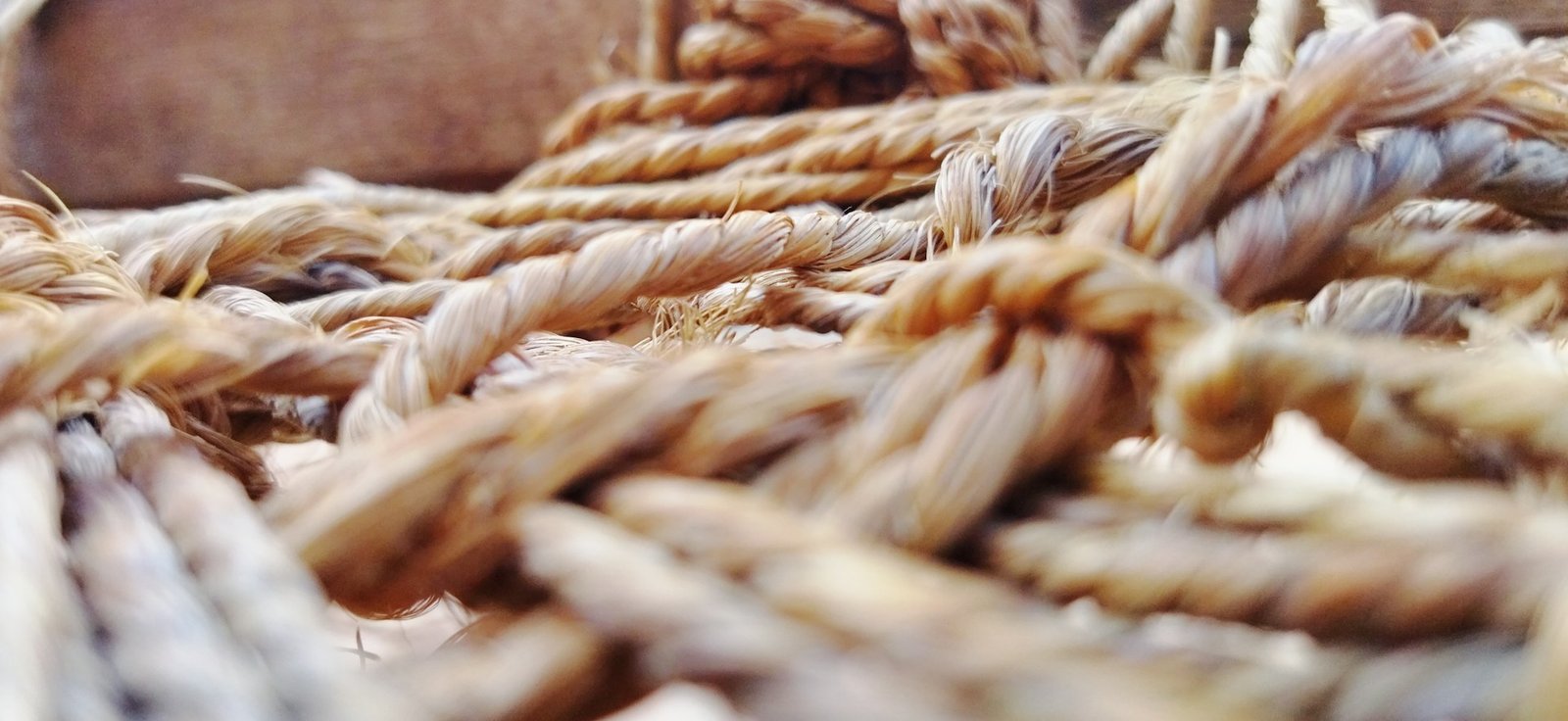
Heavy-duty coconut rope is not just another line item on a purchase list. When it is holding crops, supporting structures, or working near people and equipment, it has to perform every single day, in every kind of weather. Choosing the right coconut rope wholesale suppliers can make the difference between a steady season and costly, stressful failures.
In this article, we will talk about how to judge coconut rope for serious, high-load applications, how to check the supplier behind the rope, and how to think about long-term performance, not just the first shipment. Our goal is to help you ask better questions, run better tests, and build stronger supply chains as you plan new projects and contracts.
Choosing Coconut Rope That Will Not Fail Under Pressure
Across agriculture, marine work, landscaping, and construction, more companies want strong, natural materials that fit their sustainability goals. Coconut rope, made from coir fiber, has become a popular choice. But not every rope is right for heavy loads or safety-related jobs.
Standard-grade coir rope can be fine for light bundling or short-term use. It is not always built for:
- Constant tension or high shock loads
- Long exposure to rain, salt spray, or strong sun
- Situations where failure could damage equipment or crops
For high-stress use, you need rope that holds up through monsoon rains, storms, and freeze-thaw cycles in cooler climates. That means thinking of coconut rope wholesale suppliers as long-term partners, not just low-cost vendors. You are trusting them with performance, uptime, and peace of mind, not only with a price per meter.
Defining Heavy-Duty Performance for Coconut Rope
Heavy-duty is more than just a marketing word. For coconut rope, it usually means clear performance levels, including:
- Tensile strength that matches your expected loads, with a safety margin
- Strong knot-holding, so knots do not slip under tension
- High abrasion resistance against rough surfaces and pulleys
- Stability under dynamic loads, not just slow, steady pulls
You also have to think about the environment where the rope works. For many buyers, that includes:
- Strong UV exposure in open fields, coastlines, or rooftops
- Saltwater or salty air around docks and fish farms
- Constant humidity that can feed mold or mildew
- Wide temperature swings across seasons
Compared to synthetic rope, coir offers a natural grip, is kinder to many surfaces, and breaks down at end of life instead of sitting in landfills. But to compete with synthetics in heavy-duty roles, coconut rope may need specific construction styles, correct fiber grades, and sometimes special treatments for moisture and UV.
Core Quality Standards to Demand From Suppliers
When you talk with coconut rope wholesale suppliers, you want more than a product name and diameter. Ask for clear technical details, such as:
- Fiber length, grade, and how fibers are sorted
- Rope construction, including twist direction and plaiting pattern
- Diameter range and tolerance across full batches
- Rated load and recommended safety factors
For food-adjacent use, such as tying produce or supporting crops in greenhouses, documented quality systems like HACCP can matter. For industrial or export-focused buyers, recognized standards and third-party testing reports help show consistency and safety.
Traceability should also be on your checklist. From coconut-growing regions like Thailand and other producing countries, strong exporters track quality from raw fiber selection through spinning, twisting, and final packing. This kind of transparency helps you trace back issues, compare lots, and prove due diligence inside your own organization.
Evaluating Supplier Reliability, Not Just Rope Specs
A rope that looks good on paper will not help if your supplier cannot deliver on time or hold quality as volumes grow. When you evaluate coconut rope wholesale suppliers, look closely at operations and planning, not just samples.
Key points to discuss include:
- Production capacity during peak seasons
- Average and peak lead times
- Backup plans for raw material shortages
- Ability to scale orders for new contracts
Logistics is another big piece. Reliable exporters understand packing for long sea routes, humid ports, and cooler storage in some regions. Ask how they:
- Pack and protect rope from moisture and crushing
- Handle export documents and customs rules
- Track and report on-time delivery to various ports
Responsive B2B service matters too. Many buyers need help choosing rope constructions, diameters, or finishes for unique uses. A good partner answers questions clearly, shares test data, and keeps you informed about any delays or changes.
Sustainability and Total Cost Over the Rope Lifecycle
Many companies want to cut environmental impact without giving up performance. Coconut derivatives and biomass-based processes offer a way to support this, especially when the rope still stands up to heavy-duty work.
When planning long-term supply, do not just count the price for each coil of rope. Think about:
- How many failures you can avoid with better durability
- How much downtime and labor you save by changing rope less often
- How much risk you remove from crops, structures, or gear
End-of-life impact is part of total cost too. Biodegradable coconut rope can break down more naturally than many synthetic lines. Over time, this can help with waste handling, storage, and changing rules about plastic use and disposal.
Practical Checklist for Comparing Coconut Rope Suppliers
To keep decisions clear and simple across procurement and operations teams, it helps to use a basic checklist when reviewing coconut rope wholesale suppliers. Key items often include:
- Product performance data and lab test reports
- Samples tested under your real loads, moisture, and UV levels
- Clear information on certifications and quality systems
- Minimum order quantities and how they scale for bigger projects
- After-sales support for technical questions and issue handling
Running pilot orders before longer contracts is a smart way to see how the rope behaves through full weather cycles or peak work periods. Test it under your own conditions, including:
- Static loads and sudden shocks
- Wet and dry cycles
- High sun and shaded areas
- Contact with typical surfaces and hardware
If you also need other coconut-based products or biomass fuels, working with one supplier that can combine these can help you plan freight more efficiently and simplify vendor management. For many buyers, that kind of bundled supply supports stronger, more predictable chains for the long term.
Get Started With Your Project Today
If you are ready to source durable, consistent-quality coconut rope, we invite you to explore why CP FARMERS is trusted among top coconut rope wholesale suppliers. Our team can help you choose the right specifications for your application so you stay on schedule and on budget. Share your requirements with us and we will provide clear pricing and lead times. If you have questions or need a custom solution, simply contact us and we will respond promptly.