
Why Stable Oils Matter in Modern Food Formulas
Stable oil systems can make or break a food product, especially when you are heading into late summer and then straight into heavy holiday production. Heat in trucks, bright retail lights, and long shipping routes can all push your oils to their limits. When an oil breaks, blooms, or turns rancid, the whole product pays the price in taste, texture, and customer trust.
This is where hydrogenated coconut oil can help. It gives you oxidative stability, a clean and neutral flavor, and consistent behavior in processing. Compared with many liquid oils, it is less likely to separate, leak, or lose structure when the temperature swings between hot and cool.
As a Thailand-based exporter working with global partners, we see how often brands struggle with stability when they scale. Reliable, food-grade coconut derivatives, supplied at volume, allow teams to focus on flavor and branding instead of worrying about oil failure on shelves.
Understanding Hydrogenated Coconut Oil in Food Systems
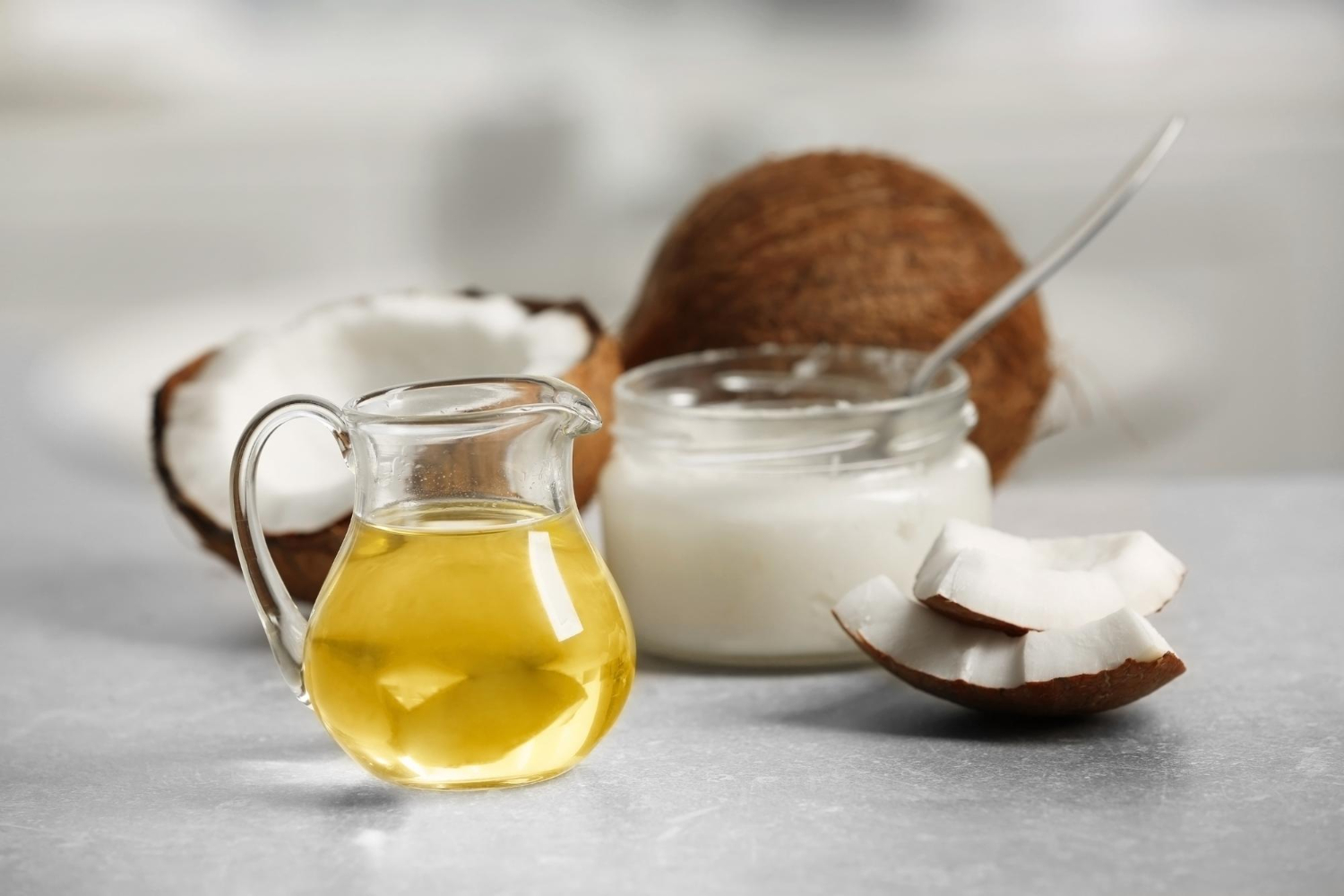
Hydrogenated coconut oil starts as regular coconut oil. Through hydrogenation, hydrogen is added to the oil, shifting the fatty acid profile. This raises the melting point and makes the oil more solid and more resistant to oxidation and rancidity.
In simple terms, you get a fat that:
- Holds its shape better at room temperature
- Stays stable longer in storage
- Handles heat and cooling cycles with less change
Because of this, hydrogenated coconut oil shows up in many food formats, such as:
- Bakery fillings and icings that must not leak or soak into the crumb
- Confectionery coatings that need a clean snap and shine
- Non-dairy creamers and whiteners for dry and liquid systems
- Shortenings for laminated doughs, cookies, and crusts
- Powdered mixes and plant-based alternatives where flow and reconstitution matter
Compared with palm or soy-based fats, hydrogenated coconut oil tends to be more neutral in flavor, so it supports the main taste instead of fighting it. Against animal fats, it often gives a lighter mouthfeel, with good structure-building that helps aeration and volume. The result is a fat that can be tuned for either firm bars or creamy fillings without heavy flavor notes getting in the way.
Key Advantages of Wholesale Hydrogenated Coconut Oil
When you scale up for hot-season shipping or global export, performance gets tested in real time. Hydrogenated coconut oil offers several practical benefits for those conditions.
On the performance side, brands often value:
- Better shelf life from higher oxidative stability
- Texture that holds up from chilled trucks to warm store displays
- Cleaner cut lines in bars and bakery items
- More reliable snap and bloom control in coatings
Because the oil is more solid and flexible in how it can be set, it gives your formulation team room to adjust. Melting point ranges and hardness can be tailored to fit:
- Regions with higher ambient temperatures
- Products kept chilled or frozen
- Lines with specific cooling tunnels or deposit systems
When you buy wholesale hydrogenated coconut oil from a single origin, you also support smoother procurement. Consistent specifications and batch-to-batch uniformity help your QA teams. They can standardize checks, simplify documentation, and reduce surprises when you move from pilot to full production.
Choosing the Right Specifications for Stable Formulas
Not every hydrogenated coconut oil is the same. The right fit depends on what you are making, where you sell it, and how it will be shipped. A few key specifications make a big difference.
Technical parameters to watch include:
- Melting point
- Iodine value
- Solid fat content curve
- Color and clarity
- Odor and flavor profile
- Peroxide value for long-haul storage
Each of these ties back to a real-world use case. For example:
- Higher melting points work well for tropical markets or products that sit on warm shelves.
- Medium melting points are helpful for confectionery that needs both snap and pleasant melt in the mouth.
- Lower melting points suit creamier fillings, winter-focused items, and bakery fats that need to work well in mixers and dough systems.
At CP FARMERS, we work directly with R&D and procurement teams to help match or improve existing fat systems. That often means sharing specification sheets, arranging trial batches, and supporting pilot runs so you can test behavior on your own equipment before committing to wide release.
Ensuring Sustainable and Secure Wholesale Supply
For many brands, it is not only what the oil does in the product, but also how it is sourced. Coconut-based systems can support traceable supply programs and responsible farming when handled with care. Using coconut biomass for energy or other applications can help lower waste and support better use of each harvested nut.
Large-scale, centralized production in Thailand offers another layer of security. When you plan for peak seasons, it helps to know you can build buffer stocks and align shipment schedules with your launch calendar. Coordinated production and storage give more control over timing, especially when demand shifts.
Logistics are also a big piece of long-distance stability. Food-grade packaging formats such as drums, IBCs, and bulk containers help protect product integrity on the water and on the road. Along with that, export experience and correct regulatory documents support smoother customs clearance and fewer delays that could expose oils to unwanted temperature swings.
How CP FARMERS Supports Long-Term Formulation Success
Choosing wholesale hydrogenated coconut oil is not a one-time decision. Formulas evolve, new markets open, and climate and shipping routes bring new challenges. Having a reliable coconut partner helps lower the risk each time you update a recipe or extend shelf life.
At CP FARMERS, we focus on stable inputs, steady quality windows, and technical support that fits what your team is trying to achieve. Many brands review their current oil systems before each big seasonal cycle, looking for ways to boost stability, simplify sourcing, or improve sustainability targets. Hydrogenated coconut oil, selected and specified with care, can play a central role in that review and help keep your products tasting and performing the way you planned, from factory line to the final shelf.
Secure Consistent, High-Quality Supply For Your Production
If you are ready to stabilize your formulations and streamline sourcing, our Wholesale hydrogenated coconut oil solutions are designed to support reliable, long-term production. At CP FARMERS, we work closely with you to match specifications, volume needs, and delivery schedules so you can plan confidently. Share your project details and requirements with us through our contact page, and we will respond with tailored options and clear next steps.