
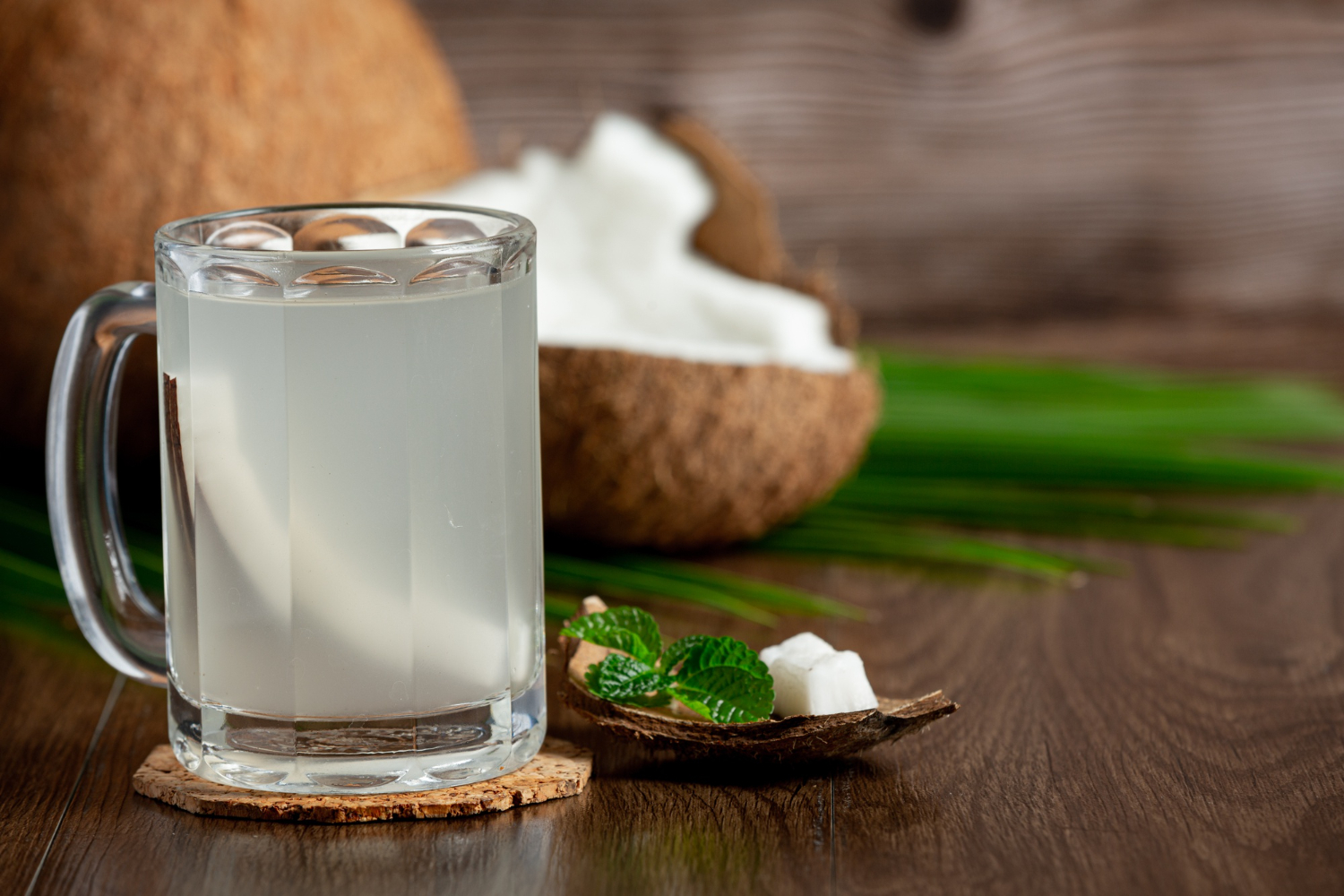
The Complete Coconut Water Guide for Brands and Buyers
Coconut water has moved from niche health food shelves to mainstream menus in a very short time, and consumers are not losing interest. For brands, distributors, and industrial buyers, that shift is more than a trend; it is a concrete opportunity to create products that feel fresh, natural, and aligned with wellness-focused lifestyles. When you understand how coconut water works as a beverage and as an ingredient, you can make smarter choices about sourcing, formats, and product development.
At Coconut Exporter, we focus on manufacturing and supplying coconut products at scale from the Philippines, one of the world’s key coconut origins. In this guide, we are sharing what we see every day as a coconut water wholesale exporter: what drives demand, how quality is created, and what to consider when adding coconut water to your product line or menu.
Why Coconut Water Belongs in Your Product Line
Coconut water is now a staple in the functional beverage space. Shoppers want drinks that feel refreshing but do not come with the heavy sugar load of many sodas and juices. Brands are using coconut water to answer that demand, either as a standalone ready-to-drink option or as a natural base for flavored and added-function products.
Retailers like having coconut water on shelf because it fits across several categories at once. It is relevant to health and wellness sets, sports and active lifestyle sections, better-for-you coolers, and even kids’ beverage aisles. Hospitality and foodservice operators use it to differentiate beverage menus, from welcome drinks and mocktails to smoothie bars and mini bar offerings in hotels.
For distributors and industrial buyers, this means coconut water can be a strategic product. It serves beverage brands, food manufacturers, and HoReCa customers at the same time. As a coconut water wholesale exporter based in the Philippines, we work with buyers who want to scale quickly but cannot risk inconsistency in quality or supply, and that is where reliable sourcing really matters.
Nutritional Benefits That Drive Consumer Demand
Consumers do not just drink coconut water because it tastes good. They associate it with light, natural hydration. Coconut water contains:
- Natural electrolytes like potassium, sodium, and magnesium
- Modest levels of naturally occurring sugars compared to many fruit juices
- A refreshing, not-too-heavy mouthfeel that works well pre- or post-activity
Wellness-focused shoppers often look to coconut water for post-workout hydration, as a gentler option after a night out, or as a swap for sugary soft drinks. Parents may see it as a better pick than soda for kids on a hot day, and athletes often like it as a lighter alternative to traditional sports drinks.
Brands do need to be thoughtful about how they talk about these benefits. People commonly ask if coconut water is right for:
- Kids: many families use it in moderation as a more natural drink
- Athletes: it can fit into hydration routines, especially when lighter drinks are preferred
- Low-sugar diets: it is typically lower in sugar than many juices, but still contains natural sugars
The best approach is clear, honest communication. Highlight hydration, natural electrolytes, and simple ingredients, and avoid medical or exaggerated performance claims that are not backed by solid evidence or local regulations.
From Farm to Facility: How Quality Coconut Water Is Made
Good coconut water starts with good coconuts. In the Philippines, growers harvest fresh, young coconuts at a maturity stage where the water is still light and naturally sweet, not yet overshadowed by heavy coconut meat. Timing matters, because maturity influences flavor, aroma, and Brix level.
Once harvested, coconuts are opened and the water is collected carefully to avoid contamination and oxidation. From there, it moves into processing and packaging. Buyers typically see a few key processing formats:
- Single-strength: coconut water in its natural concentration
- Concentrate: water gently reduced for easier shipping and storage
- NFC (not from concentrate): preserved in its original strength, then packaged
- Pasteurized or UHT: heat treatment to achieve shelf stability and food safety
Each approach influences taste, color, and shelf life. For instance, NFC coconut water generally appeals to brands that want a fresh, clean flavor profile, while concentrate helps industrial buyers who need to manage freight costs and produce large runs in distant markets.
Any serious coconut water wholesale exporter should have strong quality and safety controls. Buyers commonly look for systems like HACCP, organic options where needed, clear traceability from farm to batch, and lab testing to monitor microbiological safety, Brix, and sensory consistency.
Smart Ways to Use Coconut Water in Your Business
Coconut water is more flexible than many first-time buyers expect. On the branded side, it can be used in:
- Ready-to-drink coconut water in original or flavored variants
- Smoothies and smoothie bases, where it replaces juice or dairy
- Sports and fitness drinks, including low-sugar options
- Flavored waters, mocktails, and RTD coffees or teas
- Dairy alternative concepts, blended with plant milks
For industrial and foodservice buyers, coconut water can be part of:
- Sauces and marinades where a subtle tropical note is welcome
- Frozen desserts and sorbets as a light, clean base
- Bakery hydration, to introduce mild flavor and story value
- Beverage programs in hotels, restaurants, and catering, from simple chilled servings to signature mocktails
Format choice is key. Some buyers prefer:
- Aseptic bulk in IBCs or drums for co-packing and large-scale production
- Bag-in-box for foodservice beverage dispensers
- Retail-ready packaging when working on private label or ready-to-shelf solutions
We often recommend that brand owners and product developers define their production setup and target markets first, then match the coconut water format to their co-packing, storage, and distribution realities.
How to Choose the Right Coconut Water Supplier
Not all coconut water suppliers are the same, and the differences only become obvious once volumes grow. When you evaluate a coconut water wholesale exporter, it helps to look at a few core areas.
First, consider origin. The Philippines is a leading coconut-producing country, and buyers often see advantages in consistent varietals and long-standing coconut farming traditions. Then, review product specifications: Brix, flavor profile, color, and whether options like organic or NFC are available in the formats you need.
Quality and reliability checks often include:
- Third-party audits or quality systems such as HACCP
- Sensory and lab testing capabilities
- Documented traceability from farm or region to finished lot
On the logistics side, you will want clarity on minimum order quantities, lead times, shipping in ambient or refrigerated conditions, and load options from available ports. Support with export documentation and alignment with your customs and regulatory requirements is also important for smooth deliveries.
Commercial and service elements matter just as much. Buyers frequently look for pricing structures that support long-term planning, options for volume-based agreements, private label or co-developed product capabilities, formulation support, and responsive communication from both technical and sales teams.
Storage, Handling, and Formulation Tips for Buyers
Once coconut water arrives, proper handling protects the flavor and shelf life you are paying for. Good practices include:
- Storing within recommended temperature ranges for the specific format
- Keeping containers sealed and away from direct light and strong odors
- Respecting stated shelf life and using first-in, first-out stock rotation
In formulation, coconut water can behave differently from plain water or juice. Heat treatments like pasteurization or UHT may slightly shift flavor, so it is smart to run bench trials and adjust process conditions where possible. When blending with juices, coffee, tea, or botanicals, brands often need to balance:
- Sweetness, without immediately turning to added sugar
- Acidity, especially in citrus or berry blends
- Texture, if combining with purees or plant-based milks
For new buyers, we usually suggest starting with pilot quantities. Align your internal QA standards with what your coconut water wholesale exporter can provide, then run shelf-life and sensory tests that reflect real distribution and storage conditions. This minimizes surprises when you scale to full production.
Turn Coconut Water Demand Into Long-Term Growth
Coconut water is not just a seasonal novelty. It sits comfortably at the intersection of wellness, sports, and everyday refreshment, which gives it staying power across product cycles and consumer segments. From clean-label hydration to more adventurous flavor blends, it offers room for experimentation without losing its simple, natural appeal.
For brands, distributors, and industrial buyers, the next step is to map where coconut water can fit within your existing portfolio, production setup, and customer base. With the right sourcing strategy and a trusted partner in a coconut-growing region like the Philippines, coconut water can become a reliable platform for new products, menu items, and long-term category growth.
Secure Consistent, High-Quality Coconut Supply For Your Business
As a dedicated Coconut Exporter, we help you lock in reliable, food-grade coconut ingredients tailored to your production needs. Partner with us as your trusted coconut water wholesale exporter and streamline your sourcing with stable quality and timelines. Share your volume requirements, packaging preferences, and destination details so we can propose a solution that fits your operation. If you are ready to discuss pricing and logistics, simply contact us and our team will respond promptly.