Why Smart Food Brands Are Turning to Coconut Flour
Wholesale coconut flour has moved from niche-ingredient to smart staple for food brands that take better-for-you product development seriously. Consumers are scanning labels for gluten-free, grain-free, and simple ingredient decks, and they are not slowing down. When your next cookie, snack bar, or pancake mix can proudly list coconut flour, you instantly signal a different level of nutrition and transparency.
Coconut flour is made from coconut meat, so it behaves very differently from wheat flour and even from other alternative flours such as almond or rice. To use it well at scale, food brands need to understand where it comes from, what the specs really mean, and how its functionality affects everything from texture to shelf life. In this article, we share what we see every day as a Philippines-based manufacturer and exporter, so you can make smarter decisions about wholesale coconut flour for your brand.
What Wholesale Coconut Flour Actually Is
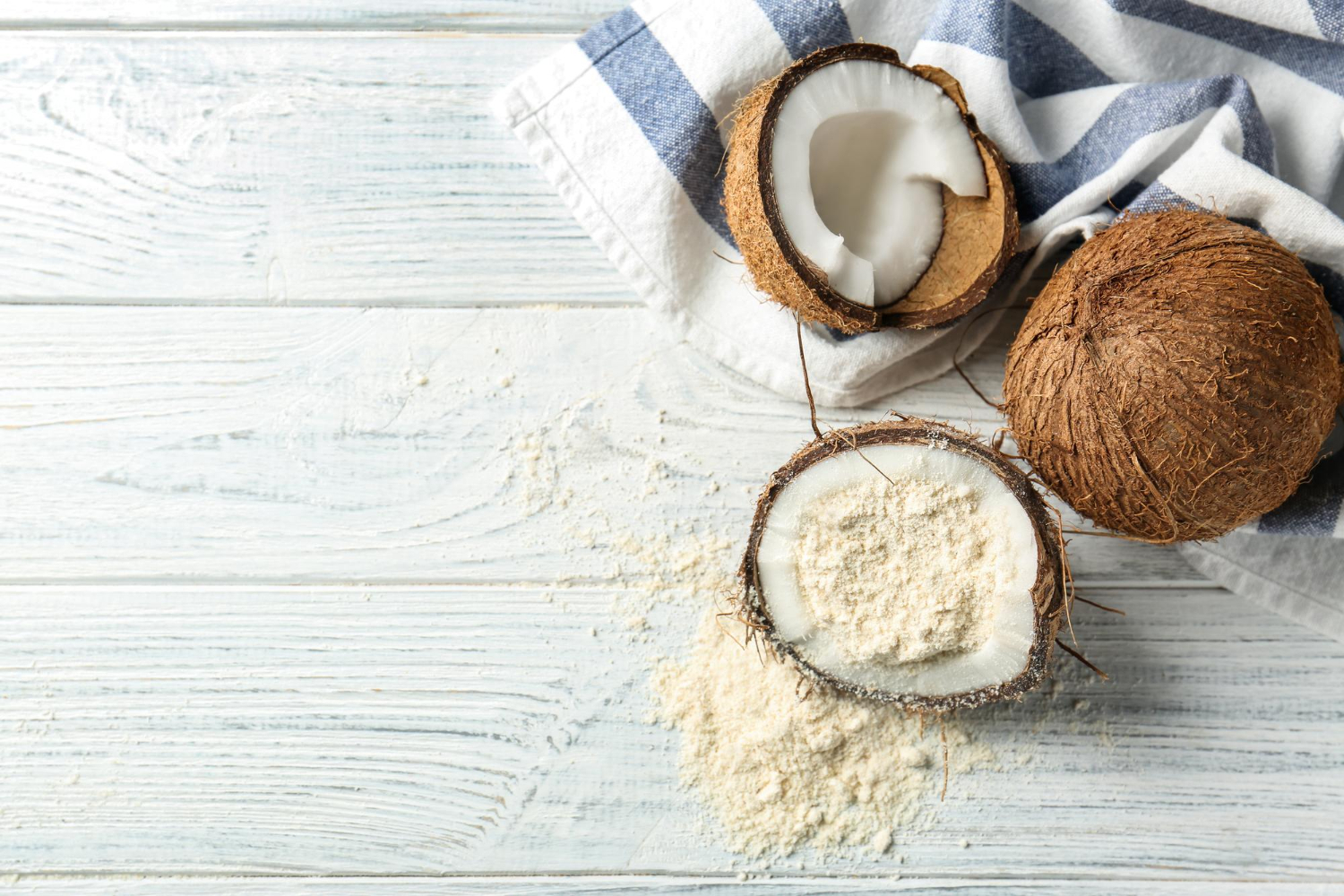
Wholesale coconut flour starts with coconut meat, not grains. After pressing coconuts for milk or oil, the remaining meat is dried, defatted to varying degrees, and milled into a fine powder. This upcycled approach makes coconut flour part of a low-waste coconut processing chain, which many brands value when telling their sustainability story.
In the trade, you will often see a few key distinctions. Organic coconut flour is produced from coconuts grown and processed according to organic standards, while conventional flour does not carry that certification. Grind size also matters. Fine flour works for most baked goods and mixes, while extra-fine grind is better when you need a smoother mouthfeel, such as in delicate cakes or premium snack coatings.
Another term to understand is the raw material source. Many suppliers will reference:
- Desiccated-based coconut flour, milled from dried, grated coconut meat
- Milk-based coconut flour, produced from the pressed cake after extracting coconut milk
Both are coconut flour, but they differ slightly in fat content, aroma, and how they perform in recipes.
When you look at a product sheet from a wholesale supplier, you should expect clear specifications, typically including:
- Fat content range, which influences flavor, mouthfeel, and calorie profile
- Moisture level, key for shelf stability and crispness
- Particle size distribution, which affects texture and mixing behavior
- Microbiological parameters, to ensure food safety compliance
- Recommended shelf life and storage conditions
Learning to read and compare these specs is the foundation for choosing the right flour for each application.
Nutritional and Functional Advantages for Product Formulation
One reason food brands embrace coconut flour is the nutritional profile. Coconut flour is naturally high in dietary fiber, with moderate protein and relatively low digestible carbohydrates compared to many grain flours. It is also naturally gluten-free, which aligns with keto, paleo, and grain-free positioning and supports customers who avoid gluten.
Functionally, coconut flour behaves unlike wheat. It absorbs a lot of water, which can be a challenge or a big advantage depending on how you formulate. That high absorption helps create moist baked goods that stay soft longer, but it also means you need more liquids or fats in the recipe. Coconut flour comes with a subtle coconut flavor and natural sweetness, so products often need less added sugar and flavoring.
For formulation, coconut flour rarely works as a one-to-one swap with wheat flour. Many brands:
- Blend coconut flour with other gluten-free flours or starches
- Increase eggs or other binders to support structure
- Adjust leavening agents to get the desired rise and crumb
Common uses include cookies, brownies, snack bars, pancake and baking mixes, breadings, and crunchy coatings. Used thoughtfully, wholesale coconut flour helps you tick multiple boxes at once: label-friendly, nutrient-dense, and sensorially satisfying.
Key Quality and Safety Standards in Wholesale Coconut Flour
When you scale from bench samples to container loads, consistency becomes non-negotiable. Quality wholesale coconut flour should have uniform color, a clean coconut aroma, and no musty or rancid notes. Moisture needs to stay low so the flour remains free-flowing and shelf-stable. Granulation should match the spec sheet, so your production team does not have to adjust for each batch.
Food safety standards are just as important. Serious suppliers operate under structured food safety and quality systems, often following frameworks such as HACCP, GMP, or broader GFSI-benchmarked schemes like FSSC 22000. Depending on your target markets and product positioning, you may also need organic, non-GMO, halal, or kosher certification.
On the technical side, buyers should pay attention to:
- Microbiological limits that align with your internal standards and customer requirements
- Testing for heavy metals and pesticide residues to support regulatory compliance
- Allergen controls and cross-contact prevention in the production facility
- Documentation and traceability that stand up to import checks and retailer audits
This is where a methodical supplier relationship pays off, because the paperwork behind the product can affect your ability to launch, expand, or pass a private label review.
How to Evaluate and Choose a Wholesale Coconut Flour Supplier
Not all coconut flour is created equal, even if it looks similar on paper. Start by asking potential suppliers about coconut origin and supply chain. The Philippines is one of the most established coconut-producing regions, and deep local experience translates into steady raw material access and know-how. Traceability from farm or region to finished ingredient is increasingly important for brand risk management.
Next, review production capacity and lead times. If you plan regular runs or seasonal spikes, your supplier needs the ability to scale and ship reliably. Discuss packaging formats that fit your operation, such as:
- Bulk bags for industrial bakeries and large co-packers
- Smaller multi-kilogram sacks for flexible blending or R&D sites
- Palletization and container loading methods to prevent damage in transit
Good logistics planning helps protect flour quality, from controlling humidity during export to setting clear storage guidelines at your facilities.
The best relationships feel like a technical partnership. Experienced suppliers can support you with:
- Guidance on selecting the right fat level and grind size
- Consistent specs that reduce line adjustments and waste
- Sample support and collaborative troubleshooting during new product development
This kind of partnership saves time in the lab and helps you move more confidently from concept to commercial scale.
Cost, Margin, and Brand Positioning Opportunities
Like any global ingredient, wholesale coconut flour pricing reflects multiple cost drivers. Organic certification, finer grind, and tighter specs often carry a premium. Volume commitments, shipping routes, and currency or commodity shifts impact final landed cost. Understanding these levers helps your team evaluate quotes realistically and avoid surprises.
There are also practical ways to protect your margins. Many brands:
- Negotiate volume-based pricing once specifications are locked in
- Optimize order sizes based on actual production schedules and shelf life
- Choose the right grade so they are not overpaying for functionality they do not need
Strategically, ingredient choice is not just an operations decision; it is a branding tool. Coconut flour fits naturally into clean label stories, tropical flavor platforms, and functional nutrition lines focused on fiber and better carb quality. When you highlight coconut flour thoughtfully on your packaging and in your marketing, you turn a formulation choice into a clear point of difference for your customers.
Take the Next Step in Coconut Flour Innovation
Understanding wholesale coconut flour from the inside out, from how it is produced and specified, to how it behaves in a recipe, gives food brands a real edge. With that knowledge, you can move faster on gluten-free and grain-free innovation, reduce trial-and-error in the lab, and build products that satisfy both taste and label expectations.
For many brands, the opportunity is not replacing all wheat flour overnight, but pinpointing where coconut flour can play best. That might be a high-fiber snack bar base, a grain-free coating system, or a premium baking mix that needs a more distinctive nutritional profile. By pairing thoughtful formulation with the right supplier support, coconut flour can become one of the most versatile and strategic ingredients in your development toolbox.
Choose Coconut Exporter as your trusted partner for consistent, high-quality wholesale coconut flour that keeps your recipes and product lines performing at their best. We work closely with you to meet your volume, packaging, and quality requirements so your supply chain runs smoothly. If you are ready to discuss pricing, logistics, or custom specifications, contact us and our team will respond with a tailored solution.